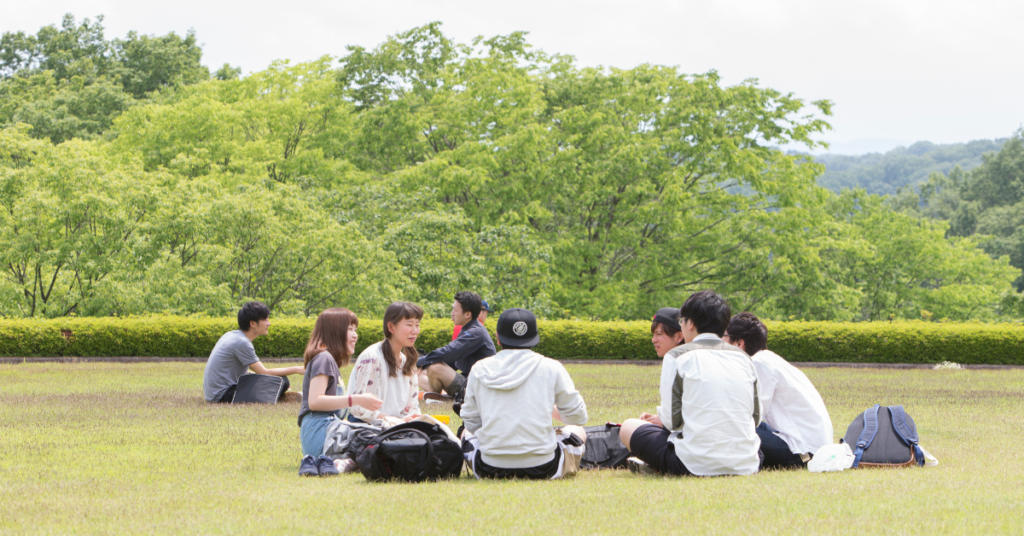
Student clubs are a common feature of campus life at Japanese universities. While participation is not required, many students choose to join at least one club or circle during their studies. These organizations provide opportunities for social interaction, skill development, and engagement beyond the classroom. Understanding how student clubs are structured can help prospective students form realistic expectations about university life in Japan.
Clubs and circles: key differences
Japanese universities typically distinguish between two types of student organizations: clubs (部活 / bukatsu) and circles (サークル / sāakuru).
Clubs are formally recognized by the university and often have structured schedules, defined rules, and clear leadership hierarchies. They are commonly associated with competitive sports, martial arts, or performance-based activities such as orchestras and choirs. Participation in clubs usually requires a consistent time commitment, and regular attendance is expected.
Circles are generally more informal and student-led. They focus on shared interests, hobbies, or social activities and tend to have more flexible participation requirements. Circles may include casual sports groups, cultural exchange activities, creative hobbies, or interest-based communities. Expectations and organization vary widely depending on the group.
The distinction between clubs and circles is common but not uniform, and each university may apply these terms differently.
Types of student clubs
Most Japanese universities offer a wide range of student organizations. Common categories include:
- Sports and athletics, such as soccer, tennis, baseball, judo, or kendo
- Cultural and traditional activities, including tea ceremony, calligraphy, or traditional music
- Academic and professional interest groups, focused on specific fields of study or career development
- Creative and performance-based clubs, such as music, dance, photography, or film
The number and variety of clubs often depend on the size and focus of the university.

Joining a club
Recruitment for student clubs typically takes place at the beginning of the academic year. Universities often organize orientation periods or club introduction events where students can learn about available organizations and speak with current members.
Many clubs and circles allow trial participation, giving students an opportunity to attend meetings or practice sessions before deciding whether to join. Some clubs may require a simple application or interview, particularly those with limited capacity or higher commitment levels.
Time commitment and expectations
Time commitment varies significantly depending on the type of organization. Formal clubs may meet several times per week and expect punctual attendance and active participation. In some cases, senior students hold leadership roles and guide junior members.
Circles usually operate with more flexibility, allowing members to participate according to their availability. However, expectations differ by group, and students are encouraged to confirm schedules and requirements before committing.
Considerations for international students
Japanese is commonly used as the primary language in student clubs, particularly in formal organizations. Language ability expectations vary, and some clubs may be more accessible to international students than others.
International students may also encounter unfamiliar communication styles or hierarchical structures. At the same time, many universities have circles or international exchange groups that actively welcome students from overseas.
Student clubs and university life in Japan
Student clubs are an established part of university life in Japan, offering a range of academic, cultural, and recreational activities. Experiences differ widely depending on the institution and the organization itself. For prospective students, researching student life and extracurricular options alongside academic programs can support more informed decisions when choosing a Japanese university.
Interested in learning more about Schools in Japan? Check out our school directory and our blog.